ENGAGEMENT OF YOUTHS IN PUBLIC WORKS
PROPOSAL FOR ENGAGEMENT OF YOUTHS IN PUBLIC WORKS ACTIVITIES UNDER THE SOCIAL PROTECTION PROGRAMME IN ZURMI LOCAL GOVERNMENT
Introduction
Youth unemployment, poverty, and limited access to economic opportunities are among the major drivers that pushed the citizens of Zurmi Local Government into hardship and difficulties in maintaining a sustainable livelihood. The current socio-economic challenges have made it critical to create inclusive interventions that empower youths, enhance local infrastructure, and promote community development. The initiative will improve the socio-economic status of youths in Zurmi LGA through short-term employment in public works, contributing to both poverty reduction and community development.
This proposal presents a viable, impactful approach to youth engagement and social protection in Zurmi LGA. By investing in the productivity and dignity of young people, the Local Government will reduce poverty, enhance community resilience, and promote peace and development.
Rationale
The Social Protection Programme is designed to reduce poverty and vulnerability by promoting sustainable livelihoods and providing support to disadvantaged groups. In alignment with this goal, this initiative aims to engage youths in labour-intensive public work projects such as clearing possible hideouts on the major roads of Zurmi LGA to save lives and properties of the people. This activity not only provides temporary employment but also enhances a culture of civic responsibility and social cohesion.
Objectives
To provide temporary income opportunities to 60 unemployed youths.
To improve security on the Zurmi LGA major roads.
To enhance the capacity of youths for future employability or entrepreneurship.
Target Beneficiaries
Direct Beneficiaries: 60 unemployed youths (aged 18–35) from all wards of Zurmi LGA.
Indirect Beneficiaries: Zurmi LGA citizens and other commuters utilizing the roads.
Implementation Strategy
The activity will be implemented in collaboration with locals, traditional leaders, ward heads, youth associations, and community-based organizations to ensure transparency and local ownership. Youths will be selected through an open and participatory process.
Steps:
Stakeholder engagement
Youth registration and vetting
Orientation and work distribution
Deployment and supervision
Weekly performance reviews
Final evaluation and exit strategy
Budget Estimate
54tg
9. Sustainability Plan
Linkages with vocational training and business support programs
Encouragement of community ownership of completed works
Referrals to other government initiatives
Potential for repeat engagement or upscaling in subsequent years
Latest News
Keeping you updated with the current events!!!
Col Nasiru Garba Zurmi was born in Zurmi, Zamfara State, on 31 Dec 74 to the families of Alhaji Garba Bazamfare Nasarawan Zurmi, a notable businessman in Zurmi Local Government, Zamfara State. He hails from Zurmi LGA of Zamfara State.
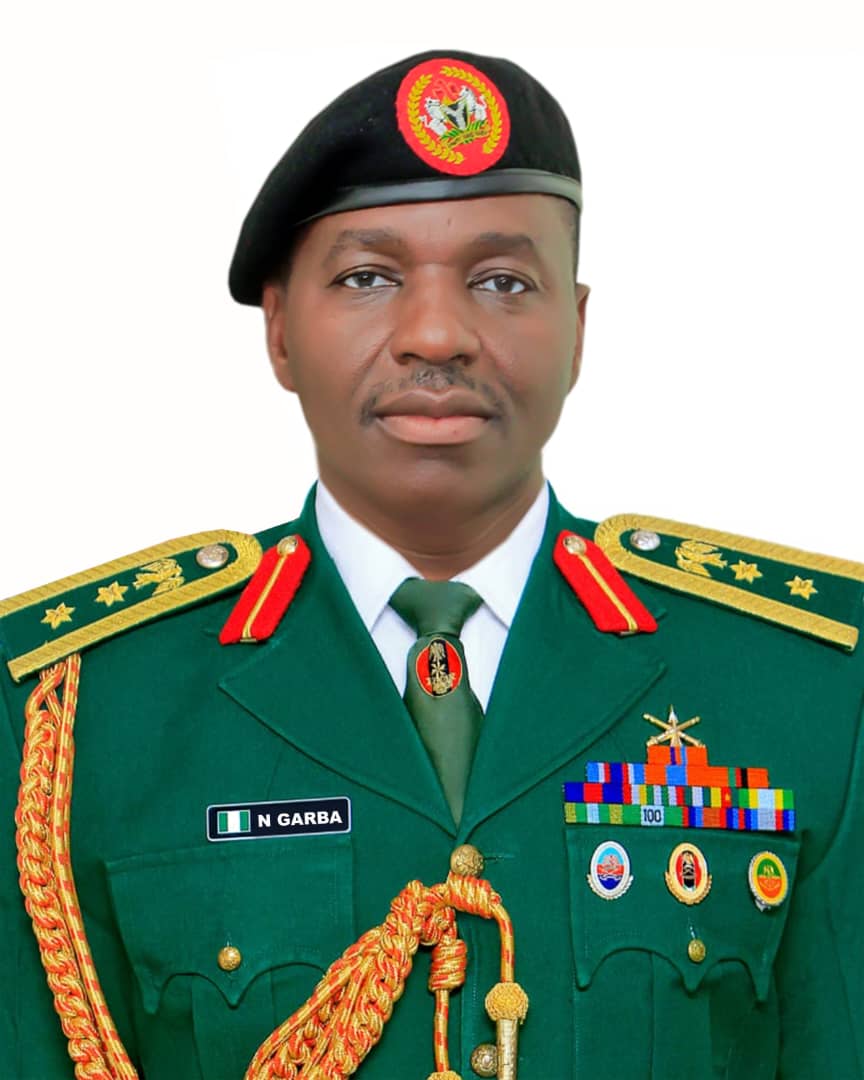
A Victor in his field
BIOGRAPHY OF COL NASIRU GARBA ZURMI
Zamfara commits ₦1.07bn to provide free healthcare for 89,232 vulnerable people
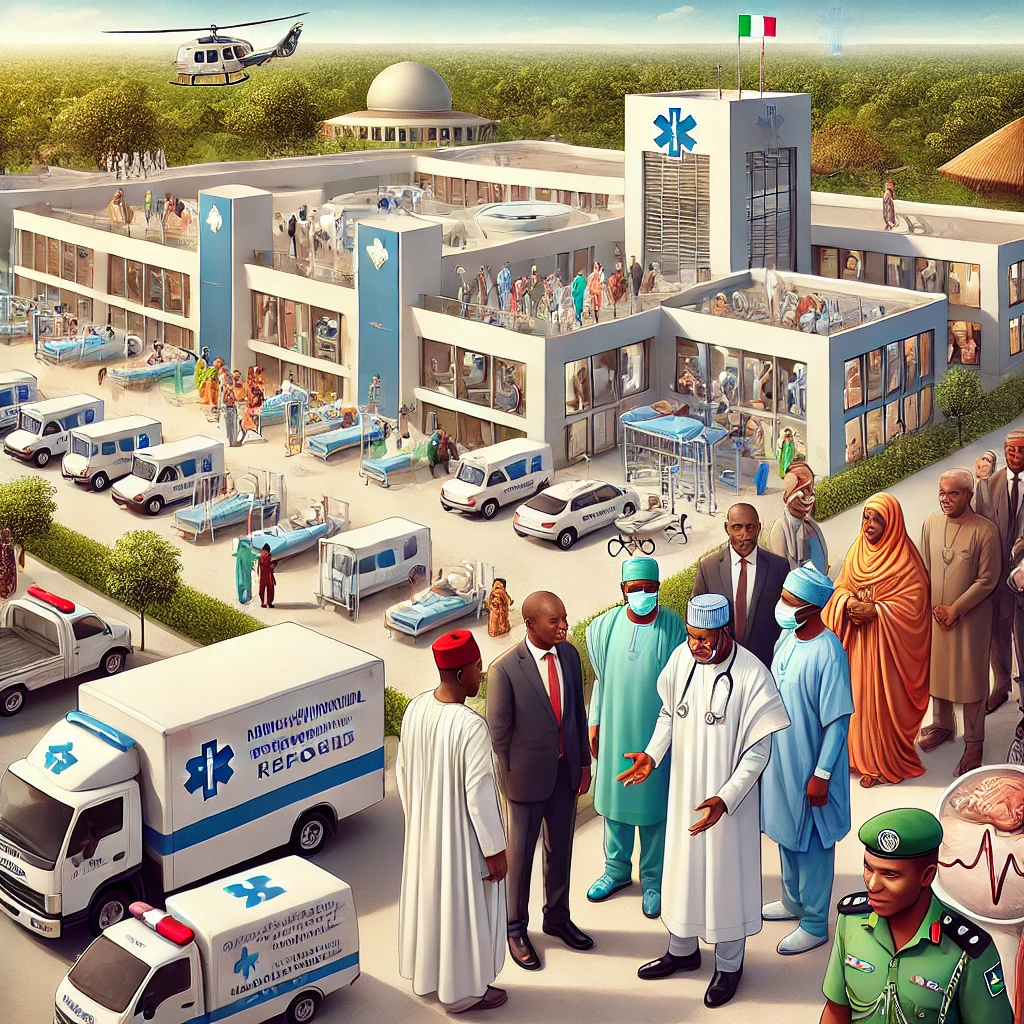
Health Care for Vulnerable People
Health Care for Vulnerable People
Courtesy Visit of officials of Medicine Sans Frantiers (MSF) Partners Supporting General Hospital Zurmi, Health Facility Yanbuki, Health .....

Medicine Sans Frantiers (MSF)
Courtesy Visit
Multi-Billion Naira Solarisation of General Hospital Zurmi by Medicines SANS Frantieriers (MSF) partners Spain
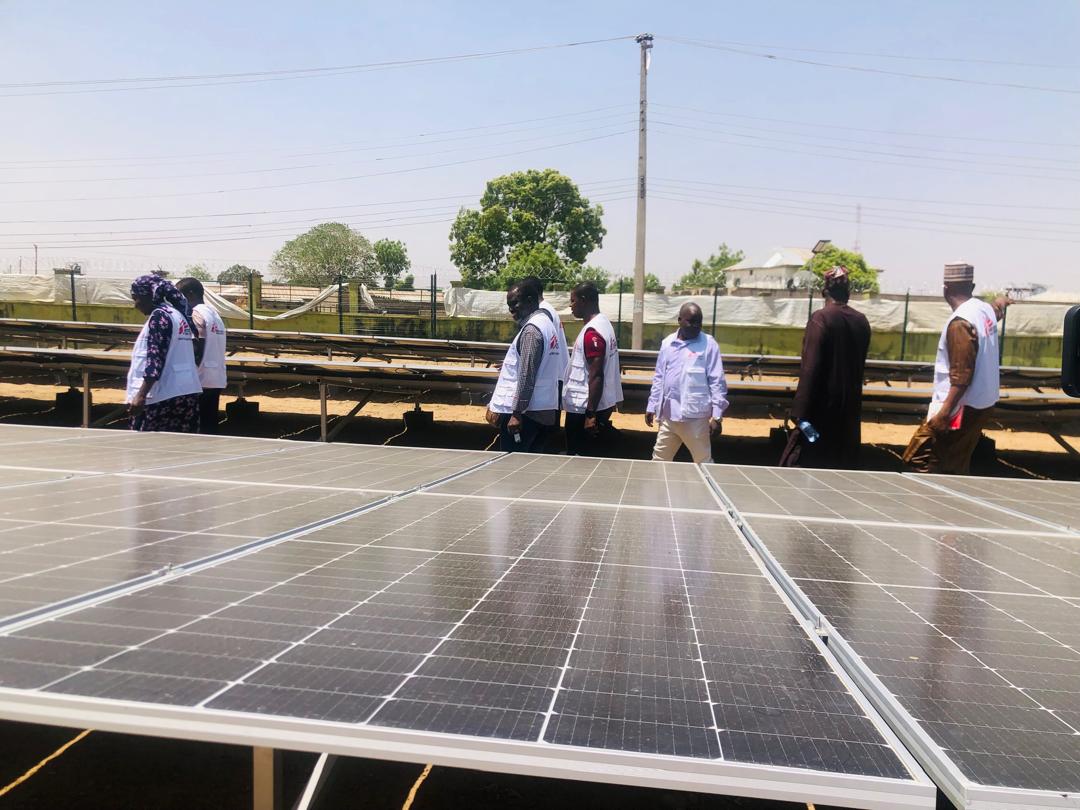
Multi Billion Naira Solarisation of General Hospital Zurmi by MSF Spain
General Hospital Zurmi
Evening review meeting for 2025 Polio Immunisation at Zurmi Emirate, Zurmi Local Government today 27/04/2025Flag of Immunisation 2025 at Zurmi Emir Palace on 26/04/2025.

Evening review meeting for 2025 Polio Immunisation
Executive Chairman Zurmi Local Government, Hon. Councillor Health, Special Adviser Health, Ag. Secretary, Director of Primary Health Care, Partners UNICEF, Partners WHO and other Stakeholders.
Flag of Immunisation 2025 at Zurmi Emir Palace on 26/04/2025. Attended by HRH the Emir of Zurmi, Executive Chairman Zurmi Local Government, Hon. Councillor Health, ....
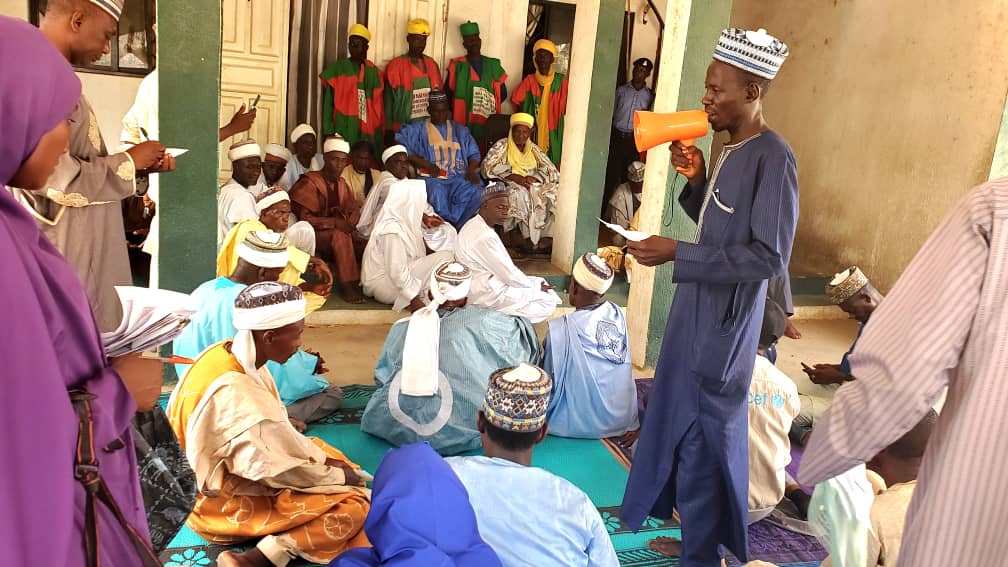
Flag off of Immunisation polio 2025
Partners WHO and other Stakeholders.
His Royal Highness Alh. Bashar Ismail Ari III Sarkin Burmin Moriki Emir Of Moriki
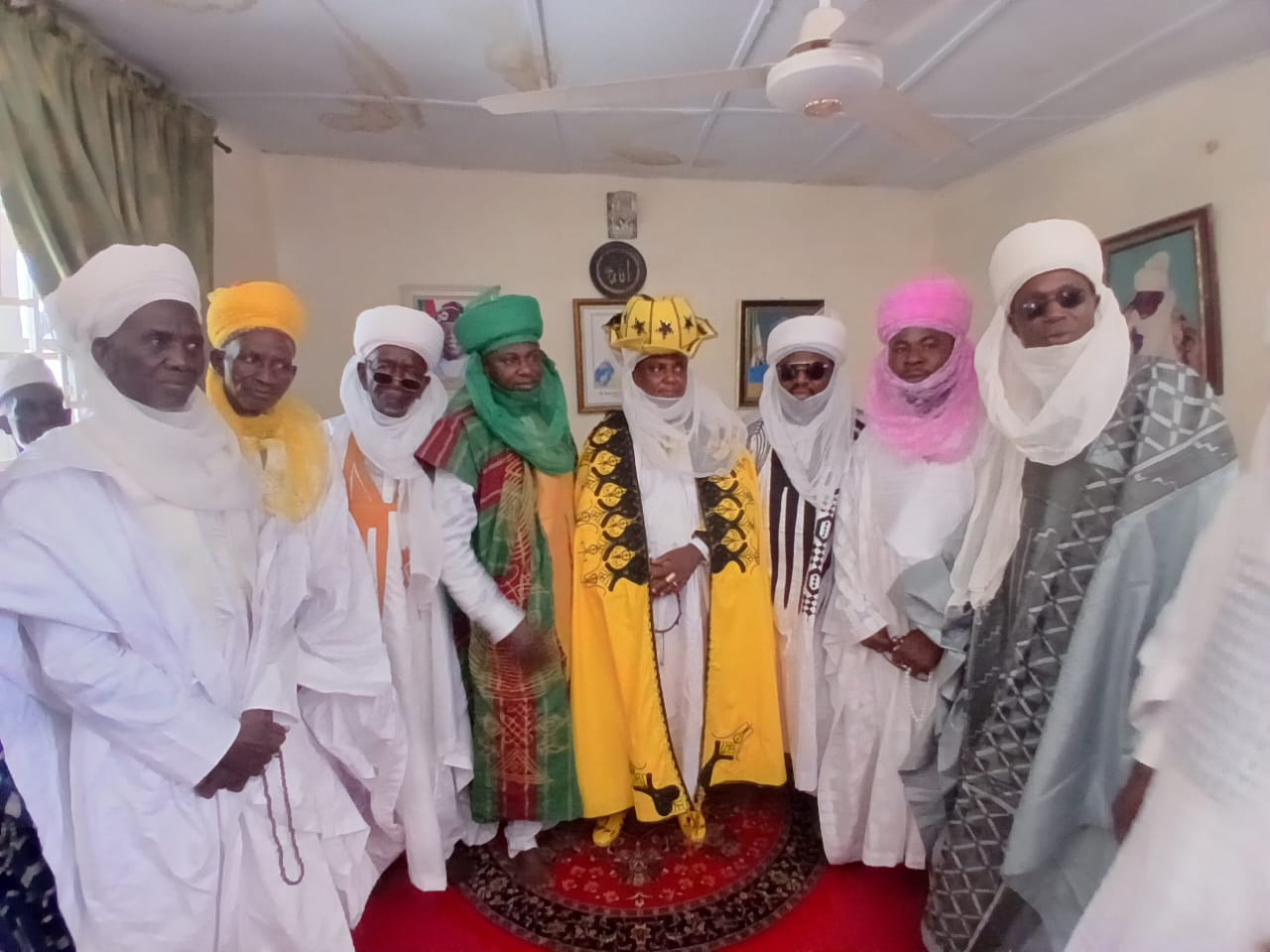
Sallah Homage
Sallah Homage
Supporting farmers to cultivate their farm products in Moriki
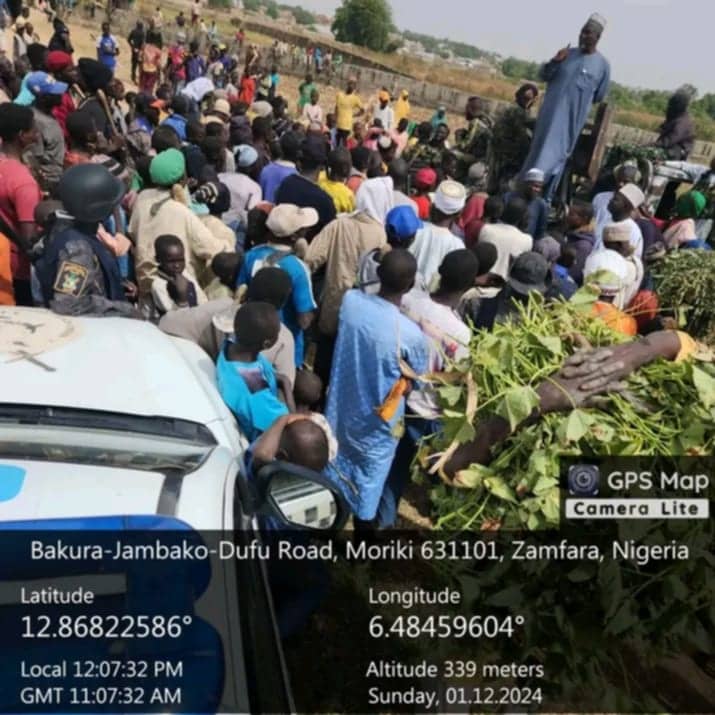
HRH the Emir Of Moriki, Alh. Bashar Ismail Ari III and the Executive Chairman
Harvesting period.
Eid Prayer attended by HRH Alh. Muhammad Bello Suleman Sarkin Zamfara Zurmi Emir Of Zurmi and The Executive Chairman Zurmi Local Government Samaila Husaini Moriki
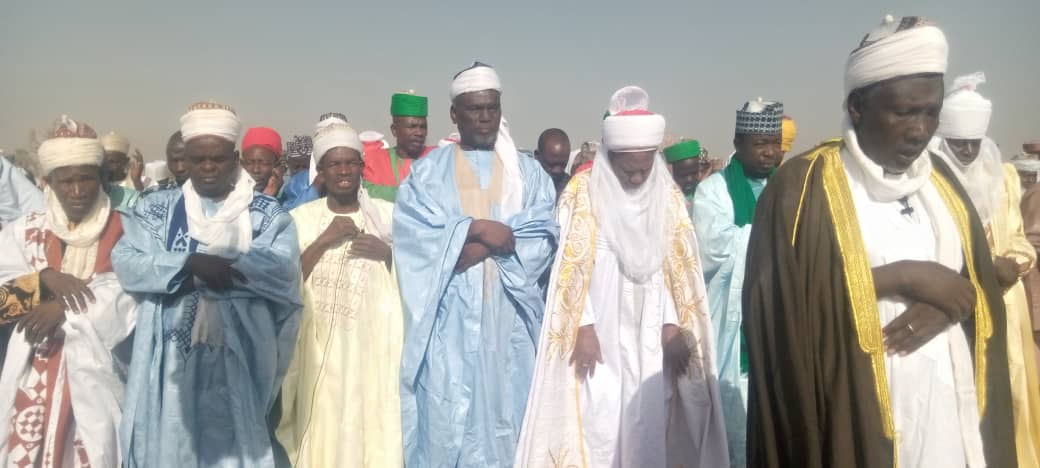
Eid Prayer
Eid Prayer attended by HRH Alh. Muhammad Bello Suleman
Water is Life a giant project for the general rehabilitation of water projects in Zurmi Local Government by the Local Government
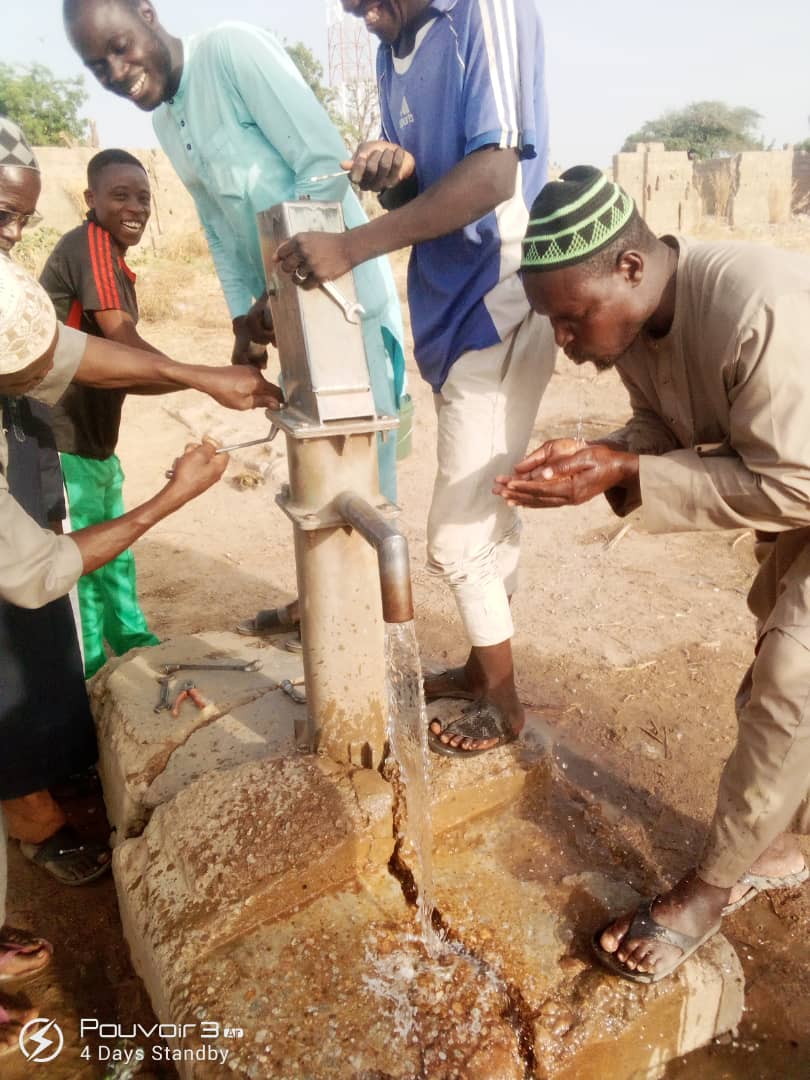
General Rehabilitation of Water (GRW)
Zurmi Local Government
Distribution of Ramadan Welfare package of food items to 3000 people of Zurmi Local Government.
Distribution of food items
Her Excellency the Wife of the Executive Governor Hajiya Huriyya Dauda Lawal
Wife of the Executive Governor Hajiya Huriyya Dauda Lawal was conferred with the traditional title of INNAWURO of Zurmi Emirate
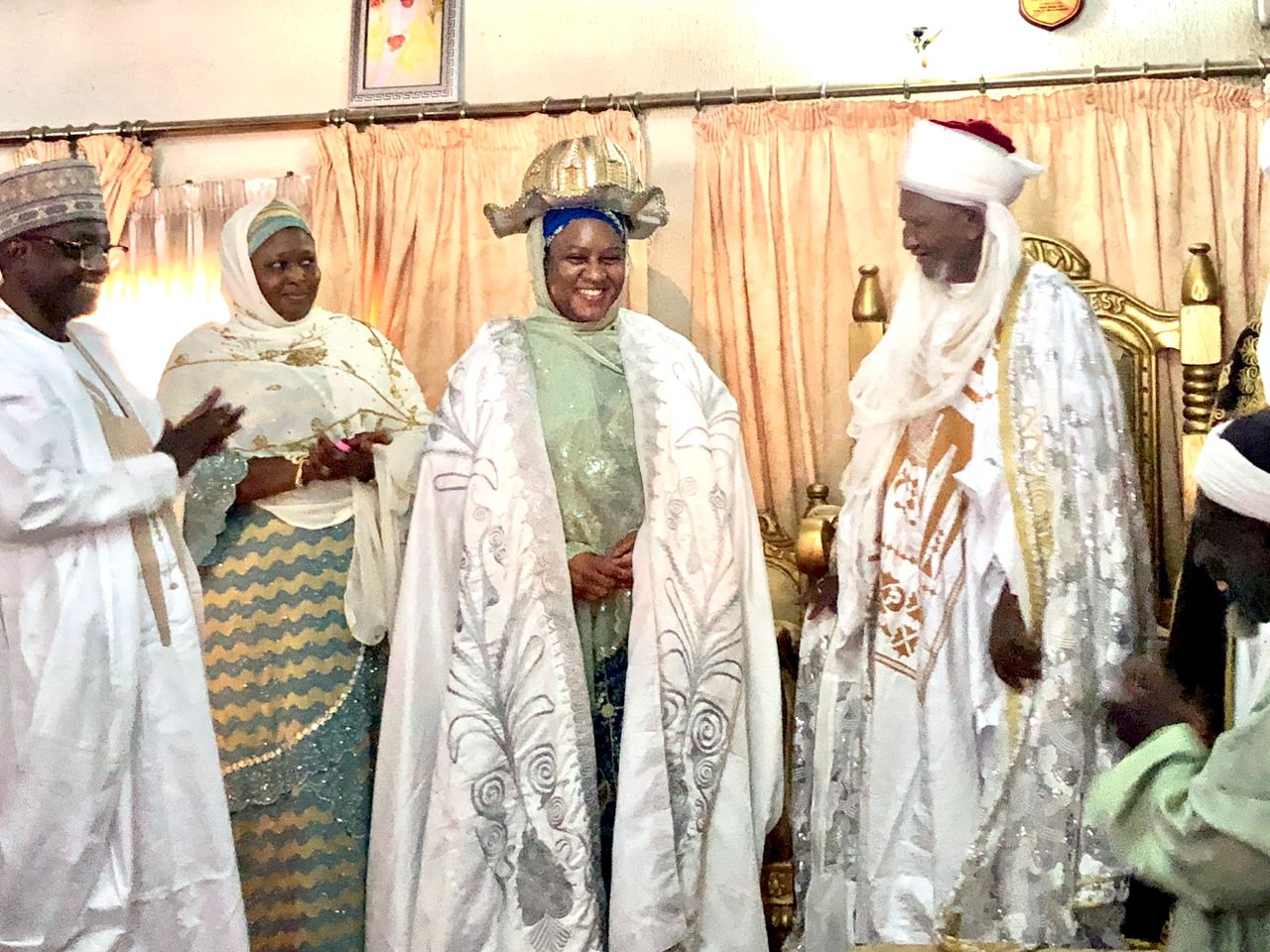
Emirate
Traditional Title of Tauraruwar Moriki.
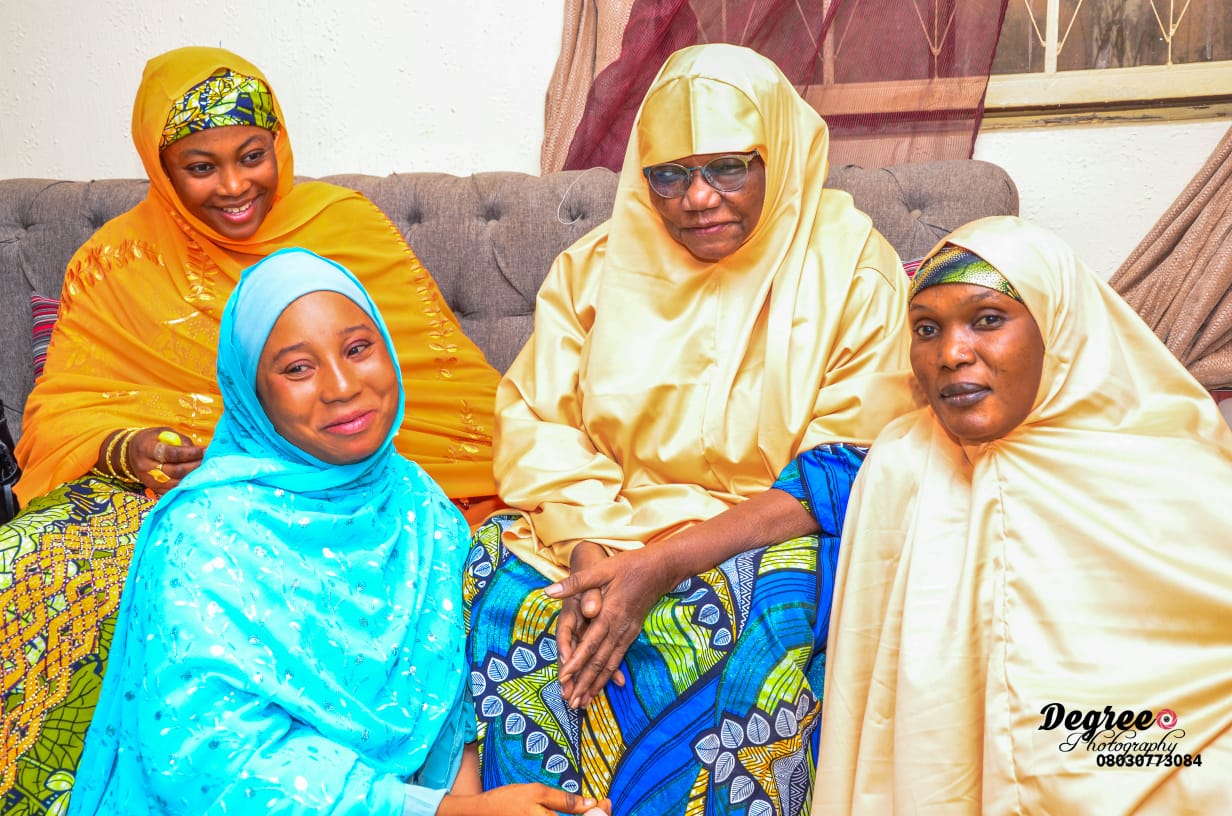
In the effort of RT. Honourable Speaker Zamfara State to boost the Economy of Women in Zurmi Local Government distributed Business support to 1000 women in the Local government with Business grant.
RT. Honourable Speaker Zamfara State
Boosting the Economy of Women in Zurmi Local Government
the governor visited Zurmi local government and assured the people that banditry would soon be a thing of the past.